
Autism is diagnosed more often in boys, but that does not mean girls are unaffected. Some autistic girls are missed because their differences are quieter, their interests look age-typical, or they work hard to copy social behaviour. Others show very clear support needs. There is no single “female autism” profile.
Look beyond classroom compliance. A child who appears calm at school but is exhausted, tearful or overwhelmed at home may be using enormous effort to manage the day.
Patterns that deserve a closer look
- Wanting friends but finding group rules, teasing or changing alliances hard to understand
- Rehearsing conversations, copying a peer, or relying on memorised social scripts
- Intense interests that look ordinary—books, animals, celebrities, art—but are unusually absorbing or rigid
- Strong sensory reactions to uniforms, hair care, noise, touch, smells or crowded rooms
- Perfectionism, anxiety, shutdowns or physical complaints around school demands
- Holding everything together in public and having distress or loss of speech after returning home
- Difficulty recognising hunger, pain, fatigue or emotion until it becomes intense
None of these proves autism. Anxiety, ADHD, language differences, trauma and other conditions can overlap or coexist, so assessment should be broad.
Why eye contact and grades can mislead
Good eye contact, affection, imagination, early speech or strong academic performance do not rule autism out. A child may understand facts yet struggle with ambiguity, sensory load, planning, friendship repair or asking for help. Standard questionnaires can also miss a child whose difficulties are hidden by a supportive environment or learned coping strategies.
Gather information across settings
Ask the child—without leading questions—what is easy, confusing, tiring or painful about the day. Compare observations from home, class, playground, transport and family events. Record the effort and recovery required, not only visible behaviour.
When seeking an assessment, ask whether the clinician has experience recognising varied presentations in girls and verbally able children. Share examples of masking or copying, early development, sensory experiences, friendships, interests, emotional health and what happens after school. A single clinic observation should not be the whole picture.
Support should not wait for certainty
Offer predictable instructions, sensory adjustments, recovery time, explicit teaching about social situations, and a safe way to communicate “I do not understand” or “I need a break”. Do not praise a child for hiding distress. The purpose of support is participation and well-being—not better camouflage.
Use careful language
Some people prefer “autistic person”; others prefer “person with autism”. Ask when possible. Avoid describing girls as deceptive or manipulative for masking. Camouflaging can be a coping strategy in environments that feel socially unsafe, and it may carry a substantial emotional cost.
Evidence note (reviewed 27 August 2026): NICE explicitly warns that autism may be under-recognised in girls and masked by coping strategies or a supportive environment. A 2026 systematic review of 26 studies reported delayed diagnosis, reduced sensitivity of standard instruments to less externalising presentations and a role for social camouflaging. US 2022 surveillance found autism identified 3.4 times as often in boys as girls; that US figure should not be treated as an Indian prevalence estimate.
Sources and further reading
- NICE: Recognition and diagnosis recommendations
- Systematic Review of Autism in Women (2026)
- CDC autism surveillance report (2025)
This article is for general education. It cannot diagnose autism or replace an individual developmental or mental-health assessment.
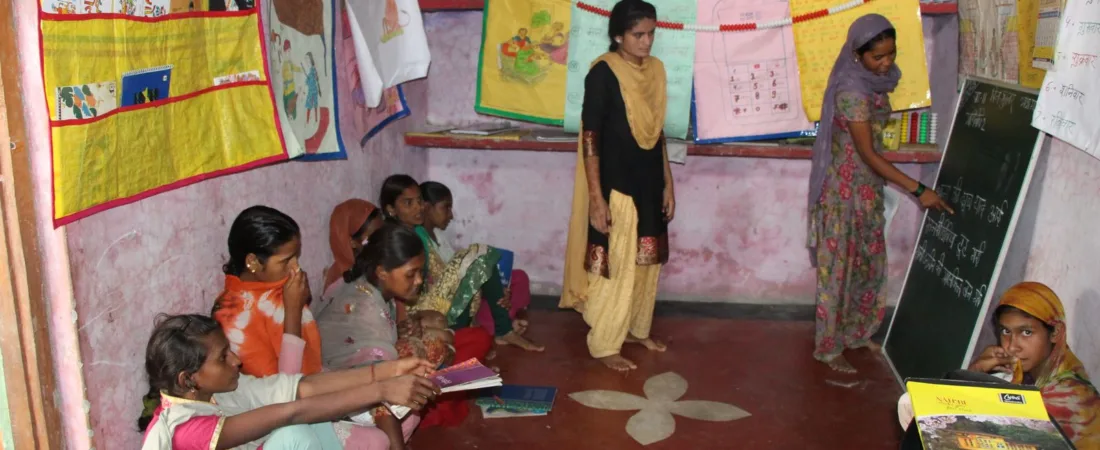
Featured image: illustrative stock photography via Pexels. The people shown are not identified as autistic.